What is available today?
Helios One is a research program with an initial reported electrical response. No Helios generator, battery replacement, sensor power module, or energy service is offered for sale on this page. We are inviting relevant research and partnership conversations, not taking preorders for an unvalidated device.
A useful inquiry begins with a specific problem: what needs to be measured or powered, where the system would operate, what maintenance is acceptable, and what would count as success against an existing alternative.
The application areas below are directions to evaluate. They are not capabilities already demonstrated by Helios One.
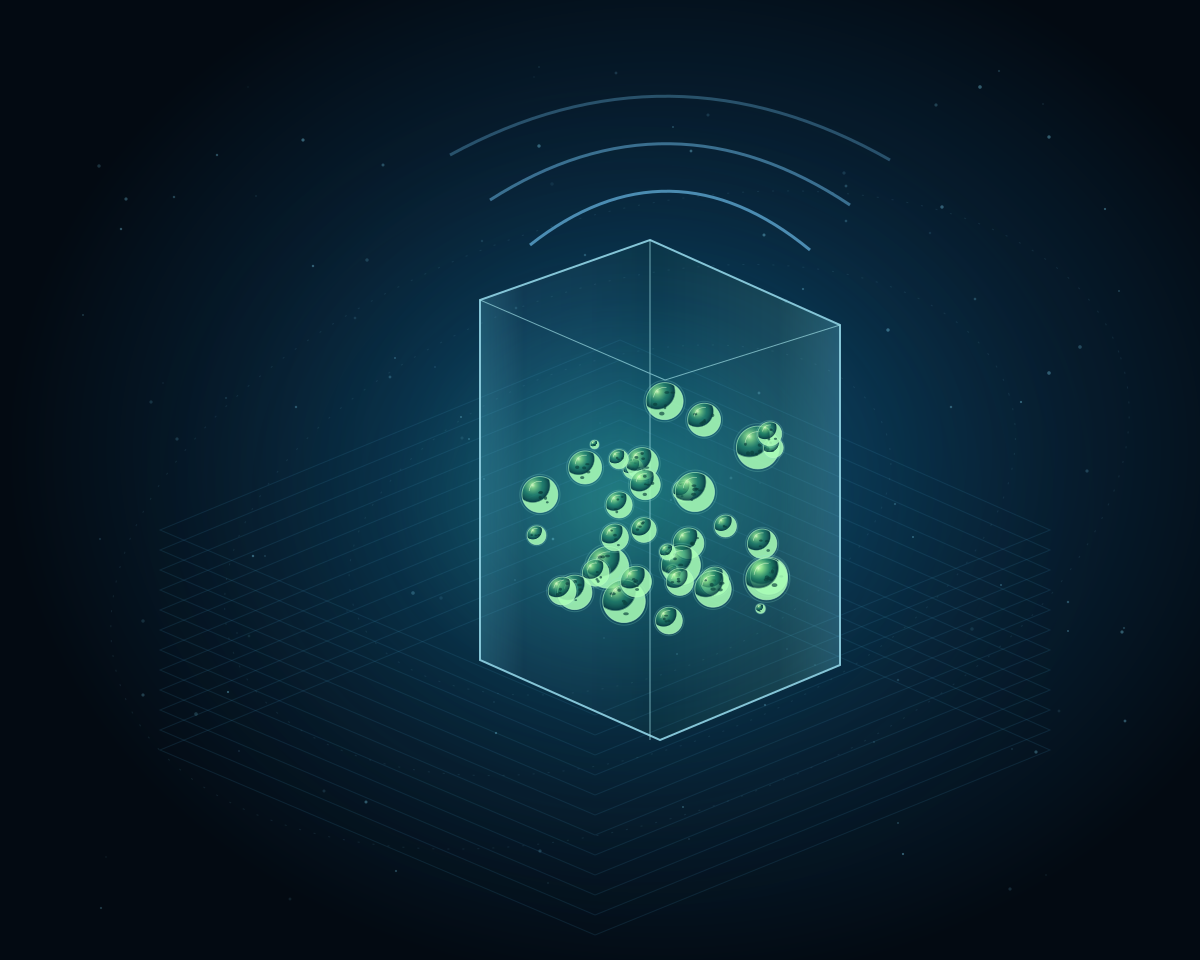
The animated energy pathway illustrates light, the electrode circuit, external storage and a possible low-power load. Storage and device operation are proposed stages, not demonstrated Helios capabilities.
Low-power sensing.
The external microprocessor demonstration provides a reason to examine small electronic loads in the broader research field.[1]
Our proposed application question is narrower than “can it power electronics?” It is whether a future characterized interface could meet the actual duty cycle, operating environment, and maintenance limits of a specific sensing task. Startup demands, data transmission, storage losses, and interruptions would belong in that evaluation.
For Helios, a credible sensing proposal must wait for enough information about the signal to choose a meaningful test. A tiny average load is not automatically a suitable load.
Research instrumentation and biological interfaces.
Biophotovoltaic studies can examine biological activity as well as investigate power generation. That creates a second way to think about a response: as something informative about a system, not necessarily as a useful source of energy.[4]
For FieldLab, possible research outputs include a clearly defined comparison method, a better characterized electrode interface, or a reproducible measurement approach. These would still need appropriate validation. They should not be presented as instruments or services ready for delivery before the necessary capability exists.
Biohybrid systems, later.
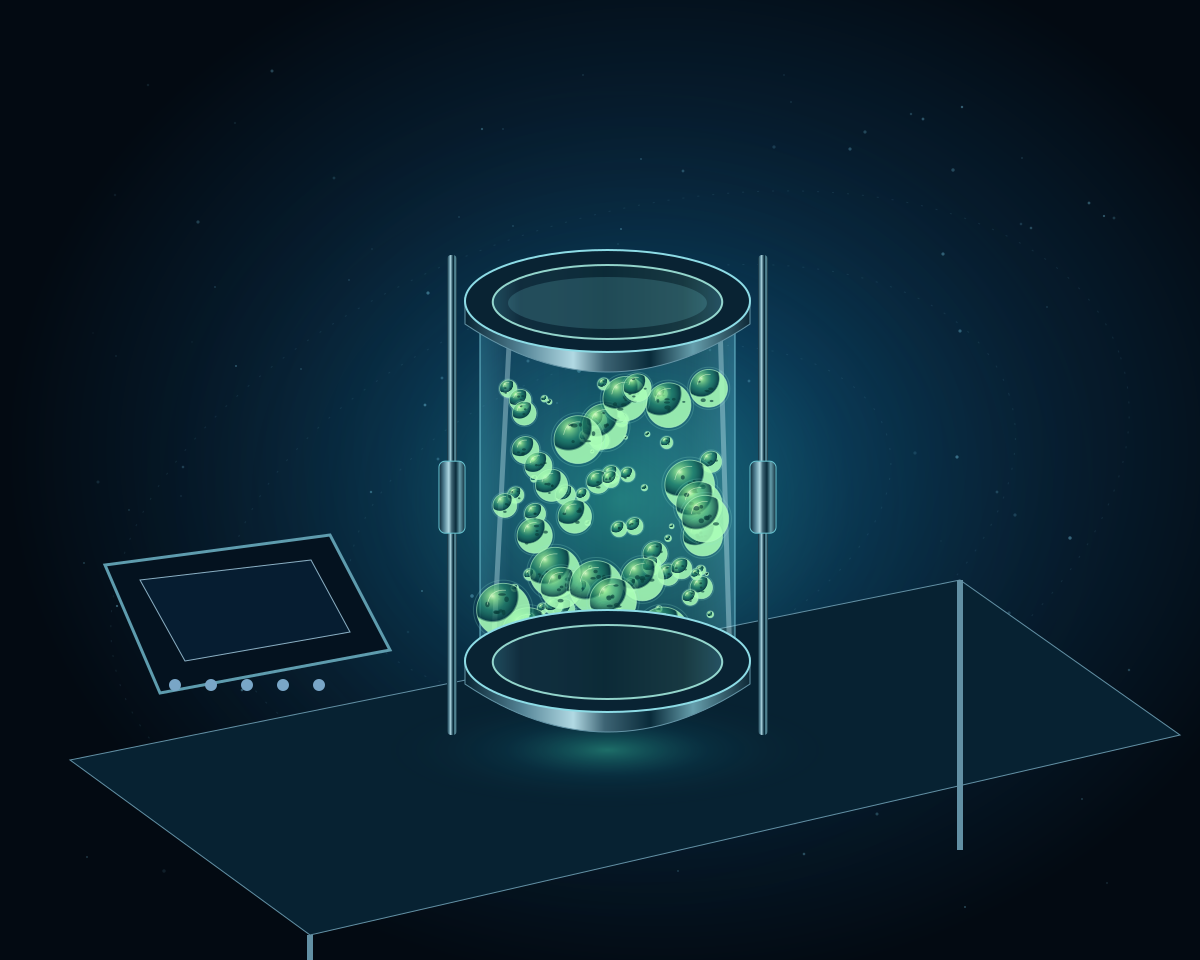
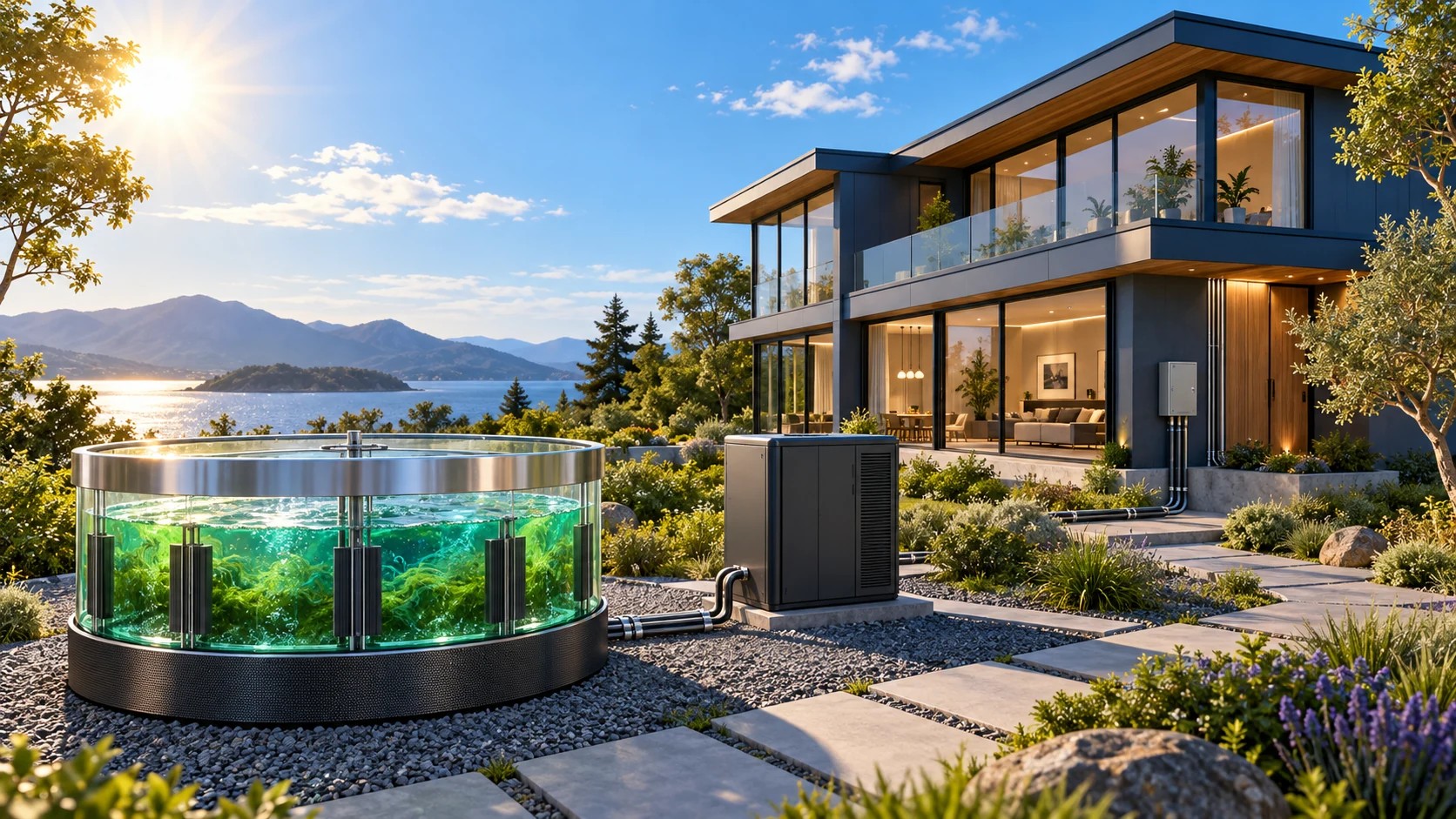
A future biohybrid platform would combine living components with engineered materials and electronics for a defined function. The attractive visual idea—a living chamber connected to a device—is easy to draw. Keeping that function predictable, serviceable, and safe is a different problem.
That is why the conceptual device artwork on this page is labeled as future-facing. It is not a photograph of a MaxwellX product, a disclosed engineering design, or evidence of a deployment.
What we are not claiming.
| Proposed use | Evidence still needed |
|---|---|
| Remote sensing | Actual load profile, characterized signal, storage strategy, operating duration, and maintenance requirements. |
| Research interface | Reproducible measurements, useful interpretation, and comparison against existing methods. |
| Biohybrid device | Engineering integration, reliability, safe operation, and a defined advantage. |
| Large-scale electricity | Far beyond this initial observation; no such capability or cost claim is established. |
Bring a requirement, not a valuation.
A strong first conversation describes the problem and the decision a study would support. For a research partner, that may be a measurement question or an electrode comparison. For a possible future user, it may be a low-power function with strict environmental or servicing constraints.
No budget, delivery date, output level, affiliation, or exclusive right is implied by an inquiry. Public contact should contain only nonconfidential information. We can assess whether a more formal scoping conversation makes sense after understanding the request.
Discuss a research requirement ↗Go to the source.
These sources provide research context, not validation of Helios One or affiliation with MaxwellX.