HELIOS ONE / FIELDLABCHAPTER 01 OF 10
Explore all 10 chapters
01 / HELIOS ONE · THE PROGRAM

Light. Life.
A first signal.

Helios One brings a living photosynthetic culture, light, water, electrodes, and electrical measurement into one experiment. FieldLab has reported its first electrical response. Now comes the work of understanding it.

Watch the living-energy pathway ↓
AUTOMATIC CONCEPT ANIMATION
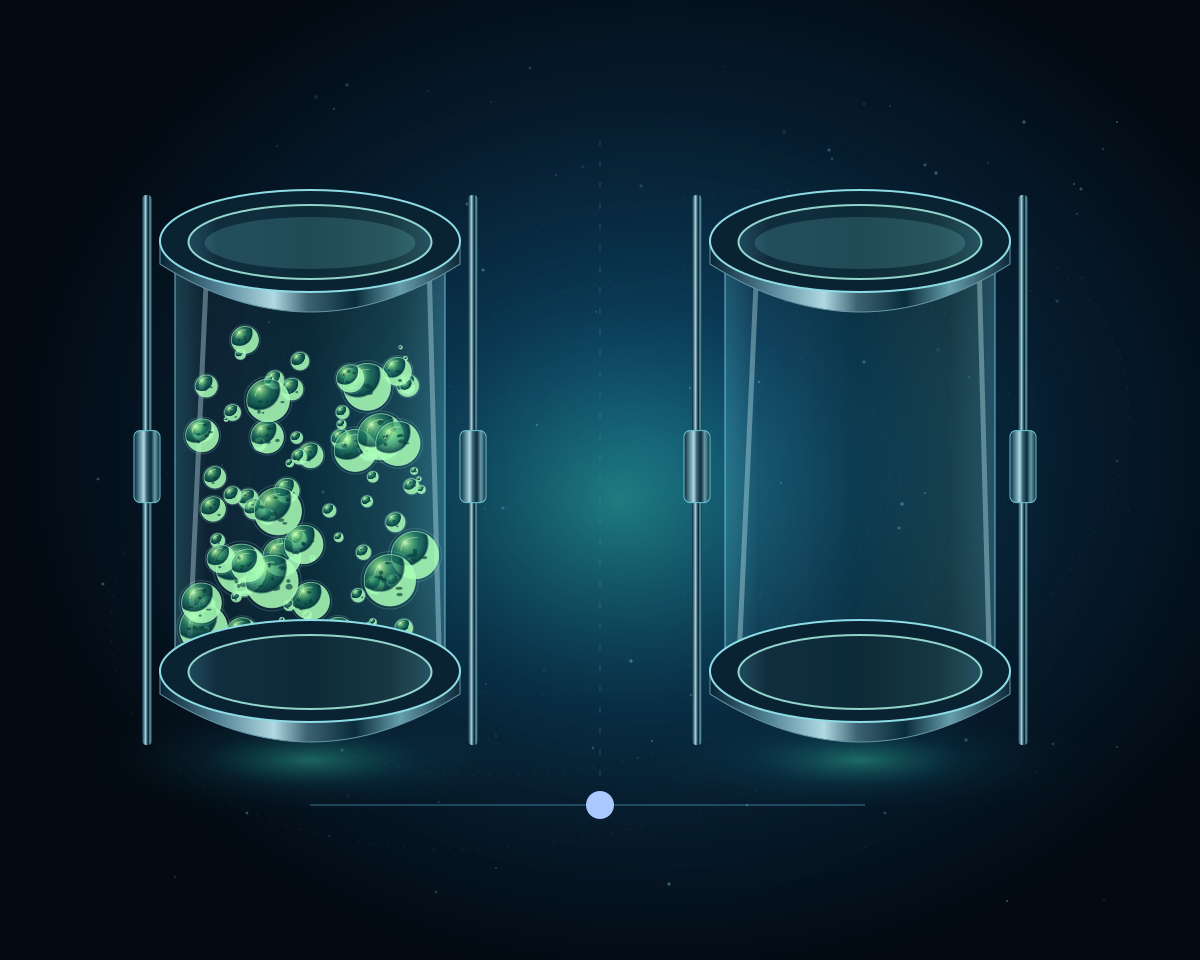
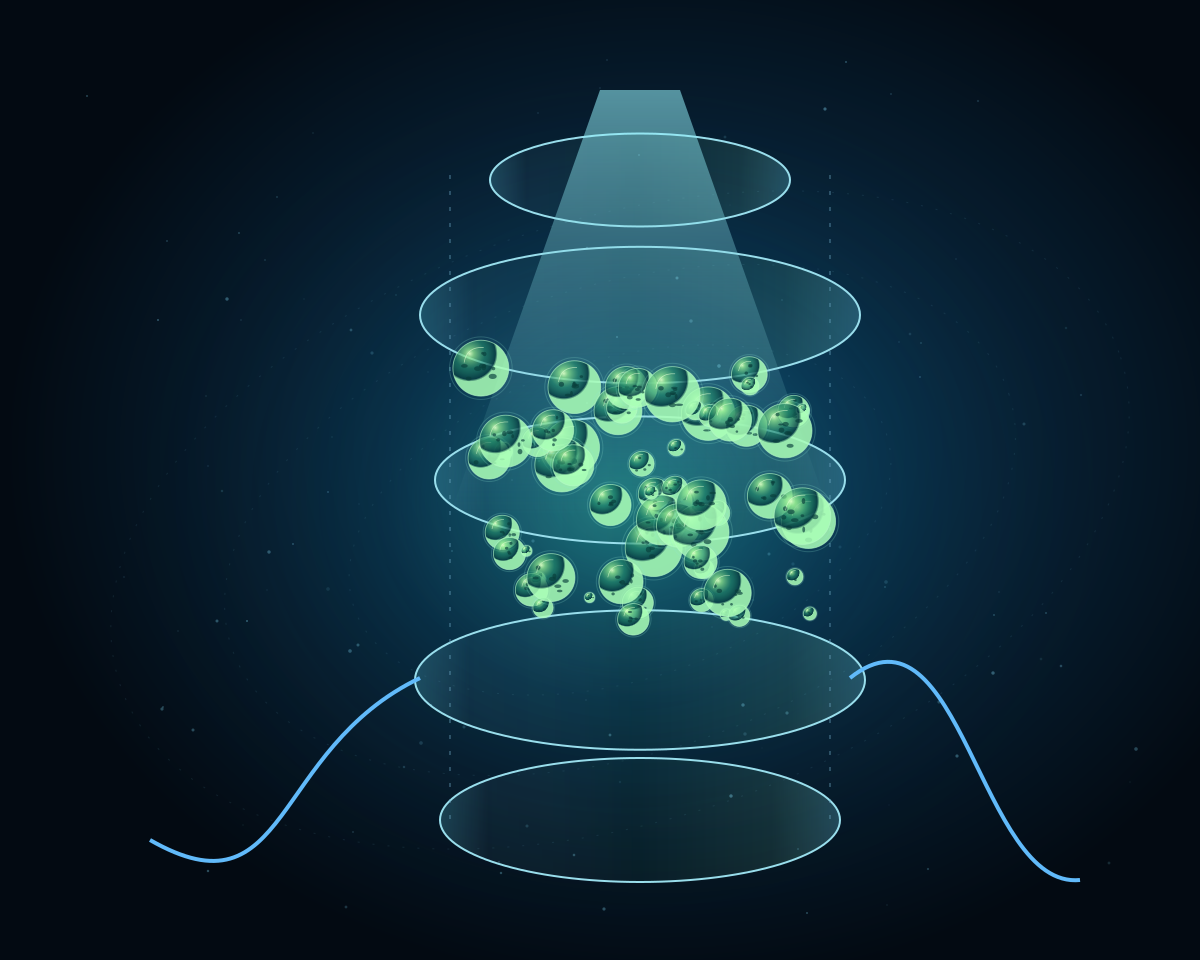
Not the actual culture, apparatus or test data.
HELIOS ONE / THE LIVING-ENERGY PATHWAY

Absorb. Capture.
Store. Ready for use.

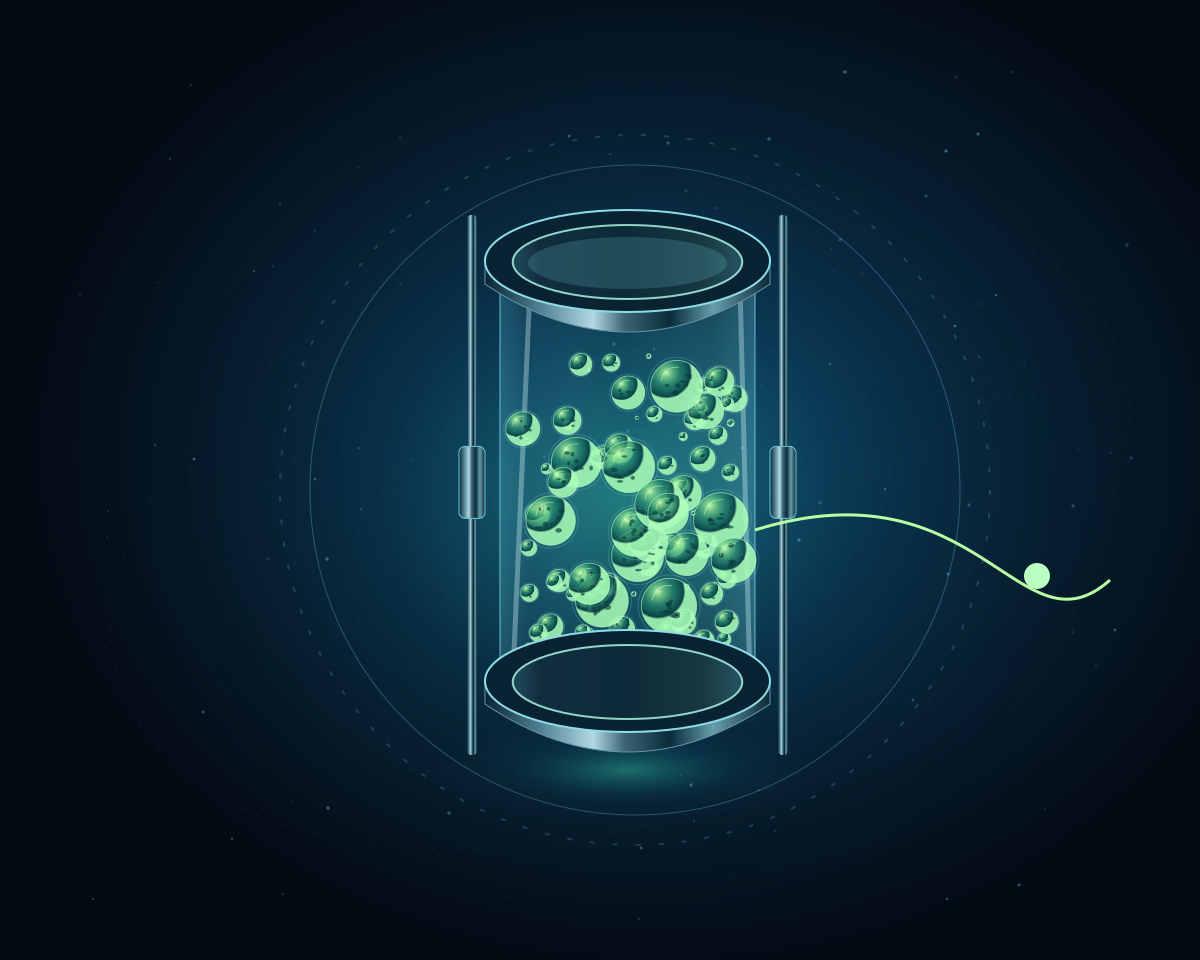
Follow the proposed route from a living culture to an external circuit, a storage module, and a low-power device. The sequence plays automatically.

CONCEPT ANIMATION · NOT A LIVE EXPERIMENTCell motion, circuit flow and charge level are illustrative.

Absorb light

Automatic sequence · 4 illustrated stages.

Illustrated photosynthetic cells absorb light. Their motion and morphology are conceptual, not microscopy of the Helios culture.

Where Helios stands: FieldLab reports an initial electrical response during a live-culture test on October 15, 2026. Biological attribution, repeatability, storage charging and useful device power have not been established. The illustration is not a construction diagram, a measured trace, or a prediction of charging speed.

Storage belongs outside the living cells. The proposed pathway places power management between the electrode circuit and a separate capacitor or battery. The return conductor completes the external circuit. Usable output would still have to exceed conversion, storage and operating losses.

Research context: published biophotovoltaic studies. Engineering context: energy-harvesting power management and external storage. This reference is not a selected Helios component, endorsement, or claim that the circuit’s operating requirements have been met.

A living system. A question worth testing.

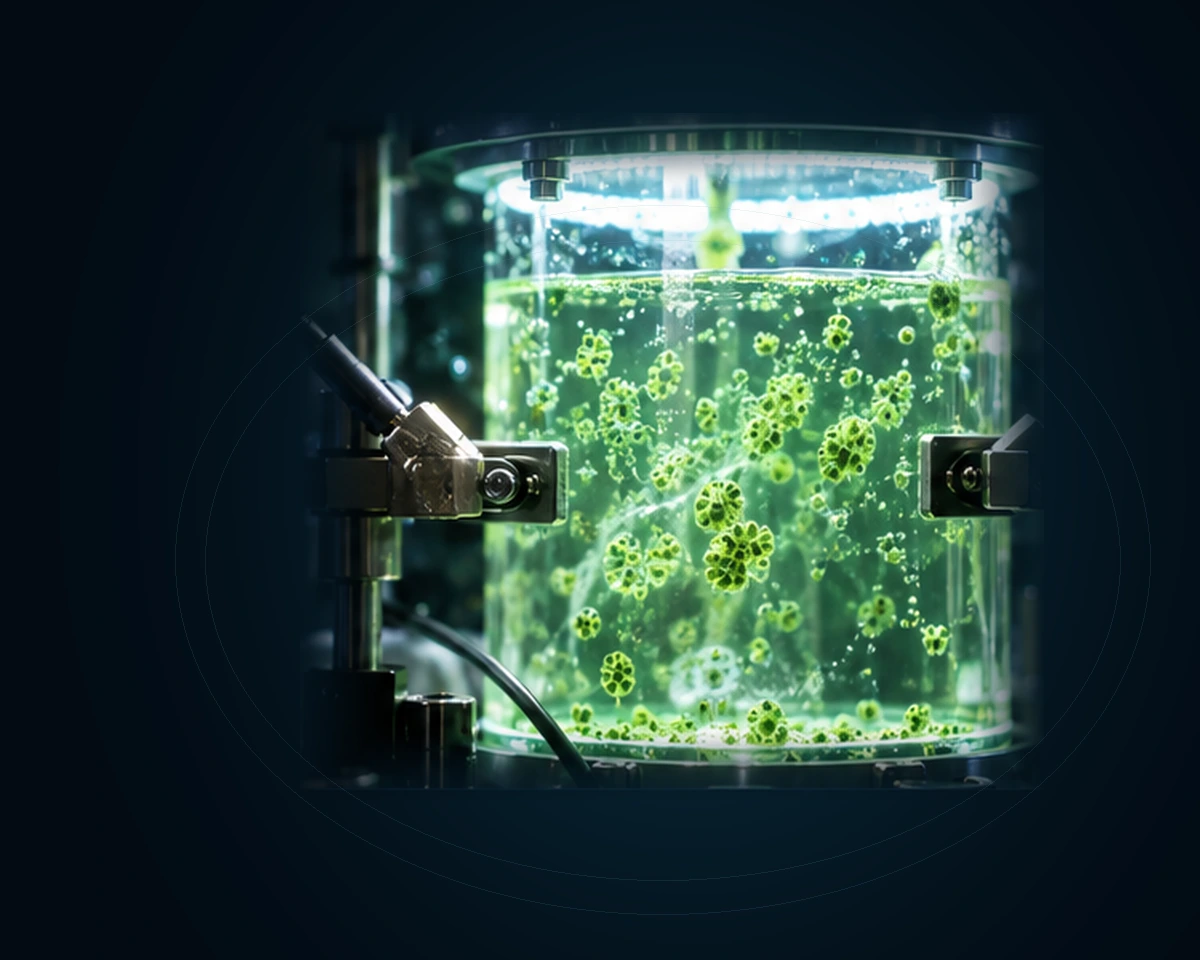
What happens at the interface between a living culture and an electrode? Helios One is MaxwellX’s active experimental platform for investigating that question. The aim is not to assign a spectacular explanation to a small observation. It is to find a response that can be repeated, separated from its controls, and understood well enough to build on.

The first reported response occurred during a live-culture test on the evening of October 15, 2026. That moves the program from design into physical experimentation. It does not yet tell us which component produced the response or whether useful electrical power can be delivered.

RESEARCH STATUS

Active experimental prototype. Initial electrical response reported by FieldLab; repeatability, biological attribution, efficiency, and useful power remain to be established.

Where the work stands.

Reported milestoneElectrical response during a live-culture test
Test dateEvening of October 15, 2026
Public recordFieldLab announcement; no raw dataset published here
Next decisionCan the response be repeated and distinguished from controls?

We separate three things throughout this section: FieldLab’s own reported observation, published work by other researchers, and our proposed next experiments. Concept illustrations help explain the program; they are not photographs of the actual test apparatus or evidence of its performance.

Why study living energy?

Biophotovoltaic research examines how photosynthetic organisms can be connected to electrodes for electrical generation or biological analysis. That gives Helios One a relevant research context without predetermining what caused its first response.[4]

For MaxwellX, the opportunity is an interface problem: how do living material, light, geometry, electrodes, and measurement interact? A useful outcome might be a better-characterized response, a repeatable measurement method, or eventually a technology that meets a specific power requirement. Those are milestones to earn, not features already delivered.

The next meaningful result is not simply a bigger number. It is a response with a clear record, appropriate comparisons, and an explanation that survives testing.

Follow the question that brought you here.

Help move the experiment forward.

Researchers can discuss measurement review, electrochemistry, electrode interfaces, or photosynthetic systems. Potential partners can describe a tightly defined sensing or research requirement. Journalists can request a briefing that distinguishes the initial observation from the work still ahead.

Public inquiries should remain nonconfidential. Do not send unpublished inventions, trade secrets, sensitive biological material information, or patient data through the website. A separate agreement can be considered before a more detailed exchange.

EVIDENCE / EXTERNAL RESEARCH

Go to the source.

These sources provide research context, not validation of Helios One or affiliation with MaxwellX.
[4] L. T. Wey, P. Bombelli, X. Chen, J. M. Lawrence, C. M. Rabideau, S. J. L. Rowden, J. Z. Zhang and C. J. Howe. The Development of Biophotovoltaic Systems for Power Generation and Biological Analysis ↗. ChemElectroChem 6, 5375–5386 (2019). DOI: 10.1002/celc.201900997. Open repository version.Research review used for definitions and the distinction between energy generation and biological analysis.
STAY CLOSE TO THE EXPERIMENT

Be here for
what comes next.

Follow Helios One’s progress, ask a research question, or bring a specific problem to FieldLab.

Requests go to the MaxwellX team. Research updates are handled manually, not by an instant automated mailing list. No product preorder or investment is offered here.

Follow the public RSS feed ↗

Please do not send trade secrets, unpublished inventions, sensitive health information, or confidential files.

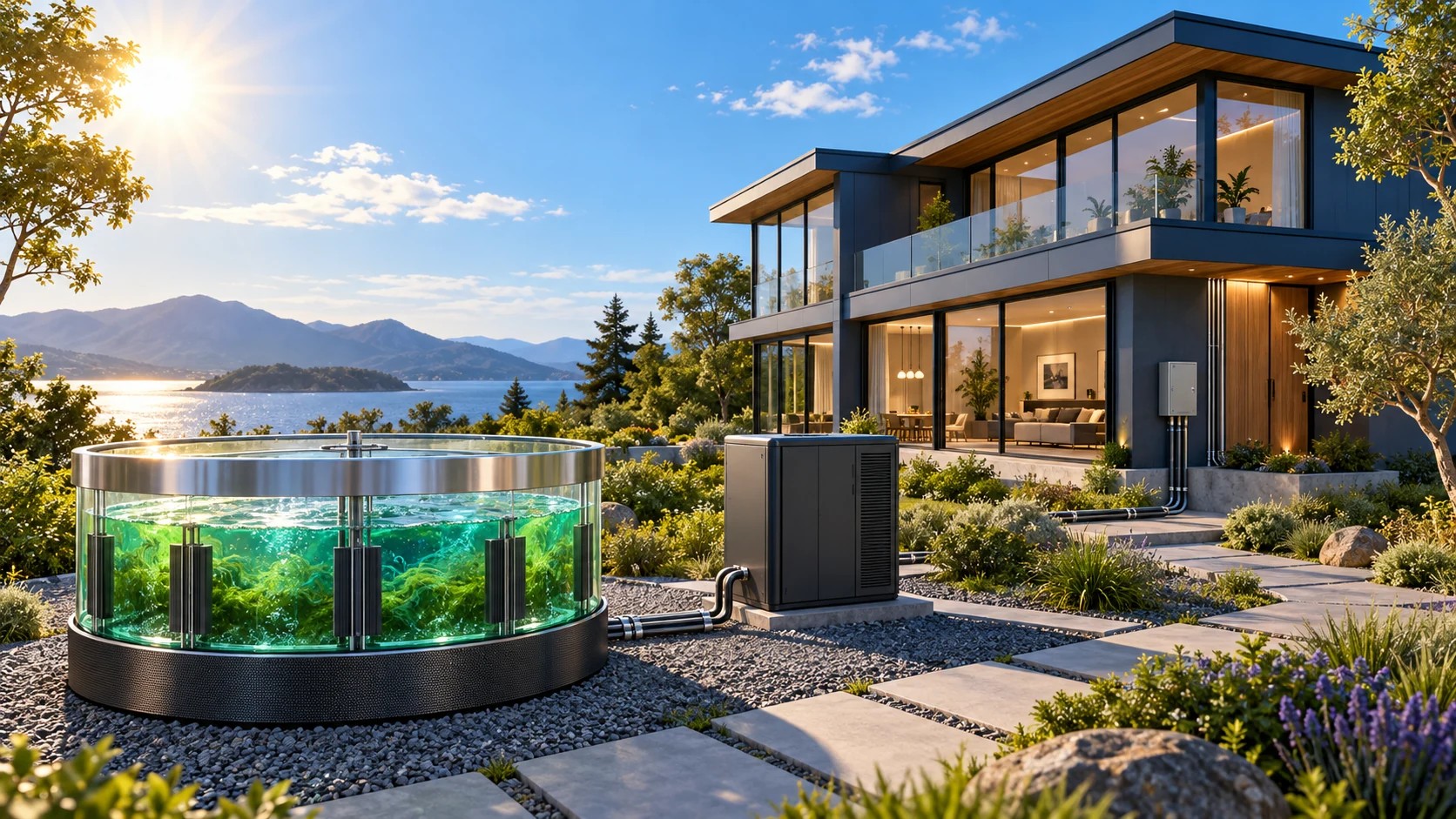
Future system concept: Helios, storage and a connected home
HELIOS ONE / THE OFF-GRID HORIZON

Sunlight. Storage.
A home beyond the grid.

Explore the proposed eight-foot living-energy tank, its animated process, the research frontier and the energy budget behind off-grid power.

Explore Helios energy →

Design concept. Off-grid output and efficiency remain development goals.